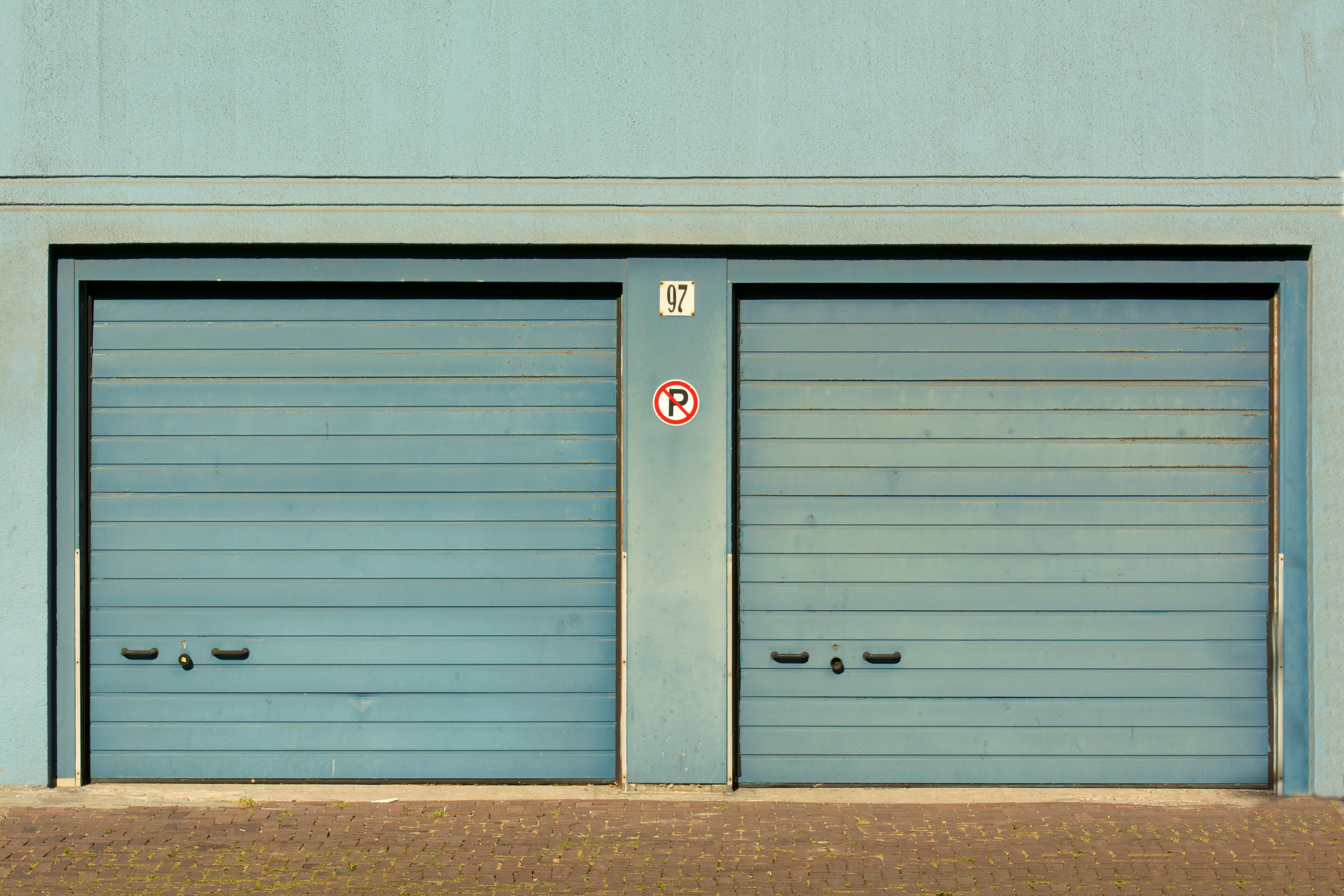
Garage Door Rust Prevention That Actually Saves You Money
A rusted garage door tends to be far more than just an ugly mark on the front of a house. Rust slowly degrades the structural steel underneath the paint, weakens the panels, corrodes the moving parts, and sooner or later causes the complete door to fail. When most homeowners notice rust spots forming, the corrosion has often already spread beneath the surface. That repair bill can run from a few hundred dollars for minor surface treatment to several thousand dollars for full door replacement once rust takes hold. The good news happens to be that rust happens to be largely preventable with the right care routine. This breakdown walks through how rust forms on garage doors, which parts are most at risk, and the simple habits that keep a garage door rust-free for fifteen to twenty years instead of seven to ten.
The Science Behind Garage Door Rust
Rust is the result of three ingredients coming together: iron in steel, oxygen in the air, and moisture. Once all three meet, the iron oxidises and forms iron oxide, which is the reddish-brown flaking layer we call rust. Standard garage doors are made of steel panels covered with a thin layer of paint or powder coat. The paint is what stops the steel from contacting moisture and oxygen. The moment the paint happens to be scratched, dented, or worn through, the bare steel underneath gets exposed and rust starts forming. The closer your home is to the coast, an industrial area, or anywhere with high humidity, the faster this process happens. Coastal salt air, rain runoff, and condensation all hasten the chemical reaction.
Where Garage Door Rust Usually Starts
Not every part of a garage door rusts at the same rate. This bottom edge of the door is typically the first to show problems because it sits closest to the ground, gets splashed by rain, and accumulates dirt and debris that hold moisture against the metal. These copyrights and rollers between panels rust because they constantly move and wear against each other, which scratches off any protective coating. These torsion springs above the door collect dust and moisture from the garage interior. The tracks on either side of the door collect leaves, water, and debris. Plus the small hardware pieces like screws, bolts, and brackets usually come with the thinnest protective coatings and rust within a few years even in mild conditions.
The Best Rust Prevention Costs Nothing
That most important rust prevention habit costs nothing and takes ten minutes every two to three months. Spray the complete garage door with fresh water from a garden hose to wash away dirt, dust, salt, and other contaminants that hold moisture against the steel. After rinsing, wipe down the door with a soft cloth or sponge using mild soapy water. Avoid harsh chemicals, abrasive scrubbers, or pressure washers, all of which can damage the paint and expose bare steel. Rinse off the soap with fresh water and let the door air dry. That simple routine removes the contaminants that speed up rust and lets you spot any small damage before it becomes a problem.
How Regular Lubrication Keeps Hardware Rust-Free
Garage door hardware rusts faster than the panels because the moving parts wear against each other. These rollers, copyrights, springs, and tracks all benefit from a light coating of garage-door-specific lubricant applied every six months. This right product happens to be a lithium-based or silicone-based spray made for garage doors. Avoid WD-40, which happens to be a degreaser and strips away the protective grease rather than adding it. Apply a small amount to each roller, copyright pin, and spring coil. Wipe away any excess so dirt does not stick to it. This lubricant displaces water, fills tiny gaps where moisture would otherwise sit, and keeps the metal surfaces sliding smoothly against each other without scratching off any protective coating.
Quick Fixes That Prevent Rust Damage
That single biggest mistake property owners make is overlooking small scratches, dents, and chips in the paint. A scratch the size of a fingernail seems harmless but it exposes bare steel to oxygen and moisture. Within a few months, that small scratch grows into a rust spot. Within a year, the rust has spread under the paint and lifted a much larger area. Check your garage door every two to three months during your cleaning routine. Look for any spots where paint has been chipped, scratched, or worn through. A touch-up paint kit costs around twenty dollars and takes ten minutes to apply. Clean the damaged area with mineral spirits, sand off any existing rust with fine sandpaper, apply a rust-converter primer, and finish with matching topcoat paint. This simple repair done early prevents hundreds of dollars in damage later.
How Bottom Seals Protect Garage Doors From Rust
The rubber weather seal at the bottom of the garage door achieves more than just block rain, leaves, and pests. It also prevents water from sitting against the bottom edge of the steel panel, which tends to be one of the fastest-rusting parts of the entire door. Over time, the rubber seal hardens, cracks, and stops sealing properly. Once that happens, rain water gets under the door, sits against the bottom edge, and speeds up corrosion. Replacing a worn weather seal costs around forty to sixty dollars in materials and takes about an hour. Doing this every three to five years extends the door's lifespan significantly. While you have the seal off, check the bottom panel for early signs of rust and touch up any damaged paint before installing the new seal.
Reduce Humidity to Stop Interior Rust
The inside surface of the garage door rusts too, and most homeowners never look at it. Condensation forms on the inside of a garage door when warm humid air meets the cool metal surface. This happens to be especially common in unheated garages in winter and in coastal areas all year. Reducing humidity inside the garage reduces interior corrosion. Ensure the garage has good ventilation, either through vents or by opening the door for thirty minutes a few times a week. When your garage gets very humid, a small dehumidifier can pay for itself in extended door life. Keep stored items away from direct contact with the door and check the inside surface during your maintenance routine.
What to Pick When Replacing a Rusted Door
If your current garage door is heavily rusted, prevention may no longer be the answer. When buying a replacement door, the material choice you make now determines how much rust prevention work you will need later. Look for doors with thicker zinc galvanizing layers, which give better long-term corrosion protection. Doors with marine-grade powder coat finishes resist salt damage much better than standard paint. Stainless steel or coated alloy hardware lasts longer than standard plated steel. Aluminium doors do check here not rust at all because they contain no iron, though they can develop a different kind of oxidation. Composite and fibreglass doors avoid rust entirely. For coastal homes or industrial areas, the extra cost of premium materials usually pays back within five to seven years through avoided repair and replacement costs.
When Garage Door Rust Needs a Pro
Some rust problems go beyond what a homeowner can fix with a paint kit and a hose. If you see rust that has eaten through the steel, panels that no longer move smoothly because the hardware has seized, or springs that show heavy corrosion, call a qualified garage door technician. Rusted torsion springs tend to be especially dangerous because they hold massive stored energy and can fail suddenly. A professional can replace rusted hardware safely, recommend whether the door happens to be worth saving or replacing, and identify problems you might have missed. That typical service call runs between one hundred and two hundred dollars and the technician will give you an honest assessment of which repairs make financial sense.
Summary of Garage Door Rust Prevention
{A garage door tends to be one of the largest and most expensive moving parts on any home. Replacing one costs between fifteen hundred and four thousand dollars for a typical residential door. Preventing rust with the simple habits described here takes roughly thirty minutes every two to three months and adds five to ten years of useful life to any garage door. For house owners in coastal areas, industrial zones, or anywhere with high humidity, these habits make an even bigger difference. Combined with smart material choices when buying a new door, regular maintenance keeps garage doors looking new, working smoothly, and avoiding the expensive repairs that catch up with neglected doors.|A garage door is one of the largest and most expensive moving parts on any home. Replacing one costs between fifteen hundred and four thousand dollars for a typical residential door. Preventing rust with the simple habits described here takes around thirty minutes every two to three months and adds five to ten years of useful life to any garage door. For property owners in coastal areas, industrial zones, or anywhere with high humidity, these habits make an even bigger difference. Combined with smart material c